The River

The Blood of Christus Rex

The world stood at the edge of prophecy. Rivers and oceans ran blood-red, a crimson tide stretching across the continents. Scientists called it eutrophication, but those who still believed in scripture knew better. Revelation 16 had spoken of this day: “The second angel poured out his bowl on the sea, and it turned into blood like that of a dead person, and every living thing in the sea died.”

Yet even as the signs manifested, the Vatican turned its back. They had found their messiah in Brian Go Lightly Marshall, anointed him as the returned Christ, and dismissed the true Christus Rex as a madman, a delusionist. But the world’s rulers knew better. They feared him. His mere presence shattered their control, and the weight of his words sent tremors through their fragile dominion.

In the laboratories of Canada, scientists worked in secret, driven not by faith but by necessity. They did not see divinity in the blood of Christus Rex; they saw power. The blood of the Lamb, the most potent substance known to mankind, held the key to immortality and strength beyond measure. The prophecy of Revelation 12 whispered in their ears: “They conquered Satan by the blood of the Lamb.” And they intended to wield it.

The plan was monstrous. The blood of Christus Rex, forcibly harvested, would serve as the foundation for a new breed of soldier. Not mere men, but clones—legions of enhanced warriors designed for the ultimate war. Not against flesh and blood, but against alien civilizations that lurked in the void beyond the stars. The world’s leaders had long known of their existence. The time would come when Earth would have to fight, and they would need a holy army to stand against the cosmic threat.

But as they drained his sacred blood, Christus Rex did not weep. He did not resist. He only spoke:

“This is the blood that will be shed for the salvation of many and the forgiveness of sins.”

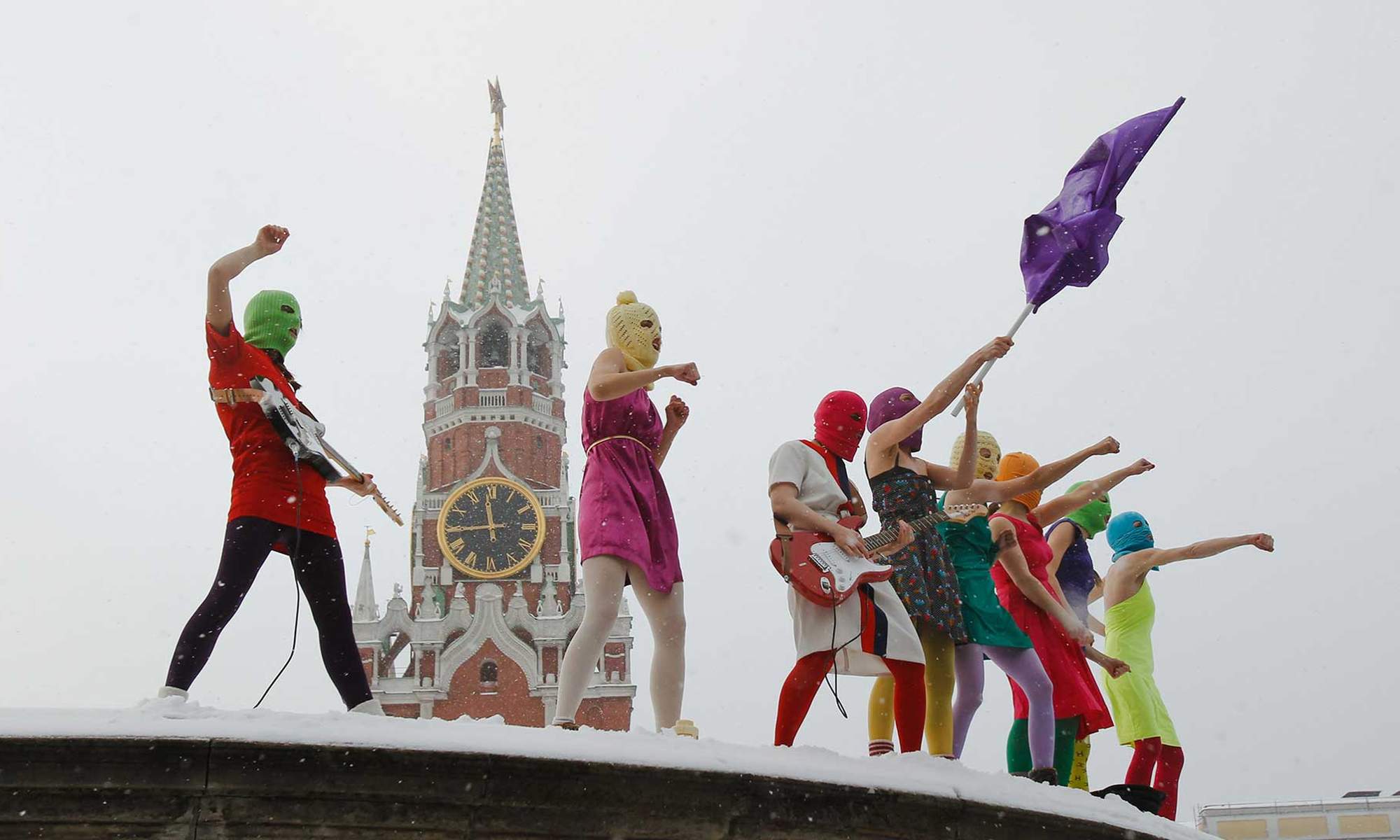
And outside the cold steel walls of the laboratory, a different revolution began. Not one of governments, not one of churches—but of the people. The disenfranchised, the broken, the exiled. Those cast out by the world’s corrupt rulers. Among them, a most unexpected ally: Pussy Riot. The defiant, anti-establishment punk prophets who saw in Christus Rex not just a savior, but a force of reckoning.

The Vatican had rejected him. The rulers feared him. But the people? They were ready to follow him.

The war had begun—not just on Earth, but across the heavens.

Son of God Dollar

Here’s a scene where Joseph Christian Jukic (JCJ) has a symbolic moment with Nadya from Pussy Riot, blending sharp commentary on modern values with a touch of drama:


INT. COFFEE SHOP – NIGHT
The conversation between JCJ and Nadya has taken a reflective turn. The warm hum of the coffee shop fades as JCJ reaches into his pocket, pulling out a worn, autographed one-dollar bill. He places it gently on the table between them, its faded ink catching the dim light.

JCJ
(leaning back, his tone somber)
There it is, Nadya. The Son of God dollar.

NADYA
(frowning, picking it up carefully)
What are you talking about?

JCJ
(his voice steady, almost mournful)
That’s the god of the people these days—money, mammon, the golden calf reborn. We don’t worship ideals anymore. We don’t worship justice, freedom, or truth. We worship this.

Nadya stares at the dollar bill, her expression unreadable. The autograph on it is barely legible, but she can make out a name: “In God We Trust” is ironically bold above the signature.

NADYA
(smirking, but with an edge)
The irony isn’t lost on me. “In God We Trust” printed on the very thing that people use to betray their neighbors, their values, their souls.

JCJ
(nodding)
Exactly. It’s the golden calf all over again. The same story, just with a different idol. Back then, it was a statue. Today, it’s this little piece of paper.

NADYA
(placing the bill back on the table, her tone sharp)
And yet, we need it to survive. To eat, to live, to fight. How do you reconcile that?

JCJ
(sighing, folding his hands)
You don’t. You can’t. But you can refuse to let it rule you. The moment we put money above people, above principles, we lose.

NADYA
(leaning forward, her eyes narrowing)
And what about those who already have all the money, who use it to control everything? What do we do about them?

JCJ
(smiling faintly)
We remind them of something they’ve forgotten—that money is just paper. Power is in the people, not the currency.

He picks up the dollar bill and holds it up, the light catching its edges.

JCJ
(with quiet intensity)
This isn’t the Son of God. This isn’t salvation. It’s a tool, nothing more. And tools can be broken, replaced, or used for good—if we choose.

Nadya watches him, her expression softening. She reaches into her bag and pulls out a small pin with the Pussy Riot logo, sliding it across the table.

NADYA
(grinning)
Consider this my contribution to the revolution.

JCJ laughs, tucking the dollar bill back into his pocket and pinning the badge onto his jacket. The two share a moment of mutual respect, a silent agreement to fight the golden calf in their own ways.

JCJ
(raising his coffee cup)
To breaking idols.

NADYA
(clinking her cup against his)
And building something better.

The Ashes of Power

The Ashes of Power: Putin, Revolution, and Divine Judgement

The streets of Moscow were aflame. Protesters surged through Red Square, their chants reverberating against the walls of the Kremlin. What had begun as murmurs of dissent had grown into a tidal wave of revolution, sweeping away decades of fear and silence. The gilded halls of power that Vladimir Putin once commanded with an iron grip now lay in ruins, the echoes of his reign drowned out by the roar of an angry populace.

Putin’s fall had been inevitable, though he had refused to see it. Like Colonel Muammar Gaddafi of Libya, Putin had dismissed the growing unrest, labeling it the work of foreign agents and traitors. But the people’s fury could not be silenced. Years of corruption, repression, and economic disparity had ignited into a violent uprising.

The Violent Revolution

The revolution had begun in the provinces, where food shortages and economic collapse were felt most acutely. Farmers, workers, and soldiers defected, joining forces with urban intellectuals and tech-savvy youth. The internet, once tightly controlled by the state, became a weapon of the resistance. Encrypted messages coordinated strikes, and viral videos exposed the regime’s atrocities.

In Moscow, the tipping point came when military units turned against the Kremlin. Tanks rolled into the capital, not to defend Putin, but to support the people. The once-loyal FSB fractured, with some operatives joining the uprising while others fled the country. The oligarchs, sensing the winds of change, abandoned their patron, retreating to their yachts and foreign mansions.

Putin himself had retreated to a bunker, issuing defiant speeches over state media, calling for loyalists to crush the rebellion. But his words fell on deaf ears. The revolutionaries stormed the Kremlin, dragging him from his hiding place. His final moments mirrored Gaddafi’s—surrounded by a mob, stripped of his power, and consumed by the rage of those he had oppressed.

The Ashes of Judgment

After his death, Putin’s body was cremated, but his ashes were not interred with the reverence of a statesman. Instead, they were scattered into the wind, a symbolic act of erasure. His name, once etched into history books, was now spoken only in curses.

And then came the Second Coming.

The skies darkened, and the earth trembled. Christ descended in glory, a vision of divine justice and mercy. The graves of the righteous opened, and the faithful rose to eternal life. But for the wicked, there was no such reprieve.

Putin’s ashes, scattered and insignificant, were summoned before the Throne of Judgment. The sins of his reign were laid bare: the corruption, the oppression, the wars waged for power and greed. His soul, if it still existed, quaked before the gaze of the Almighty.

But there was no redemption. The ashes were consumed in a divine fire, a final act of purification. Unlike the righteous who were resurrected to eternal life, Putin’s remains were obliterated, never to rise again.

Comparing Tyrants: Putin and Gaddafi

Like Gaddafi, Putin had ruled through fear, maintaining his grip on power with propaganda, secret police, and brutal crackdowns. Both men had amassed immense personal wealth while their people suffered. Both had dismissed the warnings of dissent, believing themselves untouchable.

Yet their downfalls were strikingly similar. Gaddafi had been dragged through the streets of Sirte, his body desecrated by those he had oppressed. Putin’s end was no less ignominious, his legacy torn apart by the very people he had sought to control.

The revolutions that toppled them were born of desperation and rage, but they were also acts of hope—hope for a future free from tyranny.

A New Beginning?

As the flames of revolution burned across Russia, the people began the arduous task of rebuilding. The scars of Putin’s reign would not heal easily, and the specter of authoritarianism loomed large. But the revolution had proven one thing: no ruler, no matter how powerful, could escape the judgment of history—or of God.

In the end, Putin’s ashes served as a reminder of the fate that awaits all tyrants: to be swept away by the tides of justice, their power reduced to nothing.