
Title: Riot Girls: The Pussy Riot Story
Genre: Drama / Biopic / Music
Tagline: “They sang for freedom and paid the price.”
Opening Scene
(Moscow – 2012 – Early Morning)
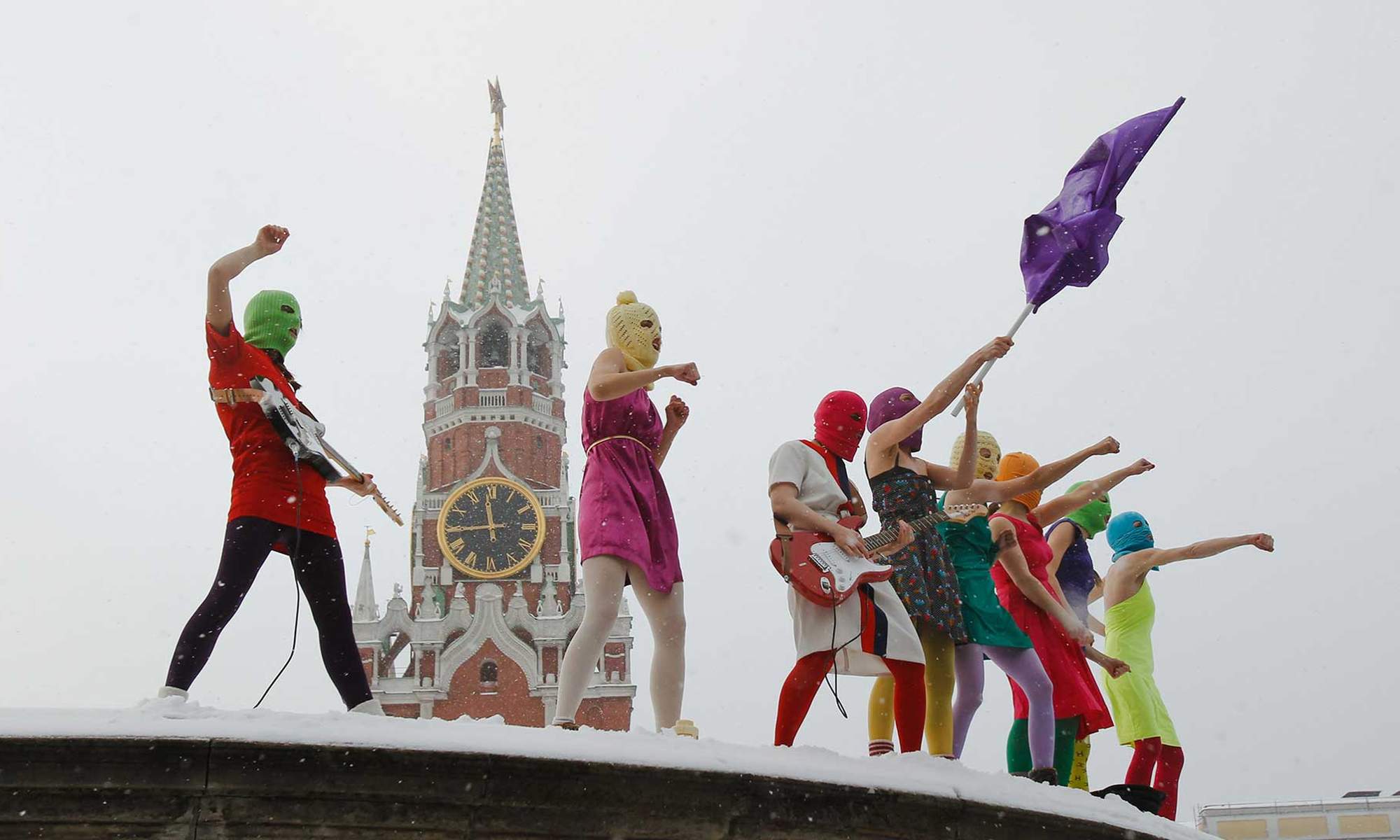
The camera opens on a group of masked women in brightly colored balaclavas assembling in a small, dimly lit apartment. They’re organizing gear: guitars, amplifiers, and spray paint. Amidst the buzz of activity, Nadya Tolokonnikova, charismatic and fiercely determined, pulls out a piece of paper and begins reading their manifesto aloud.
NADYA: “We are Pussy Riot. We sing for those without a voice. We riot for those without freedom. Today, we make them hear us.”
The group nods, their determination palpable.
Act 1: Birth of a Movement
The story flashes back to a few years earlier. Nadya, Masha Alyokhina, and Katya Samutsevich meet at a protest against corruption. Frustrated by the lack of progress, they decide to channel their anger into punk music and provocative performances.
MASHA: “Marches don’t work. Speeches get ignored. What if we make them impossible to ignore?”
KATYA: “You mean, like… a band?”
They recruit other young women and form Pussy Riot, blending art, activism, and music. Early performances include guerrilla concerts in public spaces, where they sing about feminism, LGBTQ+ rights, and political oppression.
Act 2: The Cathedral Performance
The climax of their activism begins when they plan their most daring stunt yet: a protest performance inside Moscow’s Christ the Savior Cathedral.
The group rehearses relentlessly, knowing the risks.
NADYA: “This isn’t just a song. It’s a prayer for change. And we’ll be heard—even if it costs us everything.”
On the day of the performance, they burst into the cathedral, donning their signature balaclavas. Their raw, defiant song, “Punk Prayer: Mother of God, Chase Putin Away,” echoes through the sacred space. Security quickly intervenes, dragging them out as stunned onlookers gasp.
Act 3: Arrest and Trial
Nadya, Masha, and Katya are arrested and charged with “hooliganism motivated by religious hatred.” The trial becomes a media circus, drawing international attention to their cause.
In court, the women refuse to apologize, instead using the platform to denounce political repression.
NADYA (in court):
“We sang in a church because the church no longer speaks for the people. We wear masks because in Russia, the truth can get you killed.”
The prosecution paints them as enemies of morality, while their supporters rally outside the courthouse. Protesters around the world adopt the balaclava as a symbol of resistance.
Act 4: Prison and Resistance
Nadya and Masha are sentenced to two years in a penal colony, while Katya’s sentence is suspended. In prison, they endure harsh conditions but refuse to be silenced.
Nadya writes letters that are smuggled out and published, exposing the brutal realities of the Russian penal system. Masha organizes hunger strikes to demand better treatment for inmates.
PRISON GUARD: “You think the world cares about you? You’re forgotten.”
MASHA: “If they’ve forgotten us, why are you so afraid of what we’ll say?”
Outside, Pussy Riot members continue their activism, performing in defiance of crackdowns and keeping the movement alive.
Act 5: Release and Legacy
The women are released early due to international pressure, emerging from prison as global icons of resistance. Instead of retreating, they double down on their activism, launching campaigns for prison reform and free speech.
In a powerful montage, we see:
- Pussy Riot performing at protests worldwide.
- Supporters wearing balaclavas in solidarity.
- Clips of their influence on other movements, from LGBTQ+ rights to anti-authoritarian protests.
The film ends with Nadya addressing a crowd:
NADYA:
“They thought prison would break us. But every wall they build, we’ll tear down with our voices. Every cage they lock, we’ll shake until it falls. This isn’t the end—it’s the beginning.”
The screen fades to black as the crowd roars, and Pussy Riot’s music plays over the credits.
Closing Text
“Pussy Riot’s fight for freedom continues today, inspiring movements for justice worldwide. Their story reminds us that even in the darkest times, courage is contagious.”
Closing Credits
The credits roll alongside real footage of Pussy Riot’s performances, protests, and interviews, set to their iconic songs.

