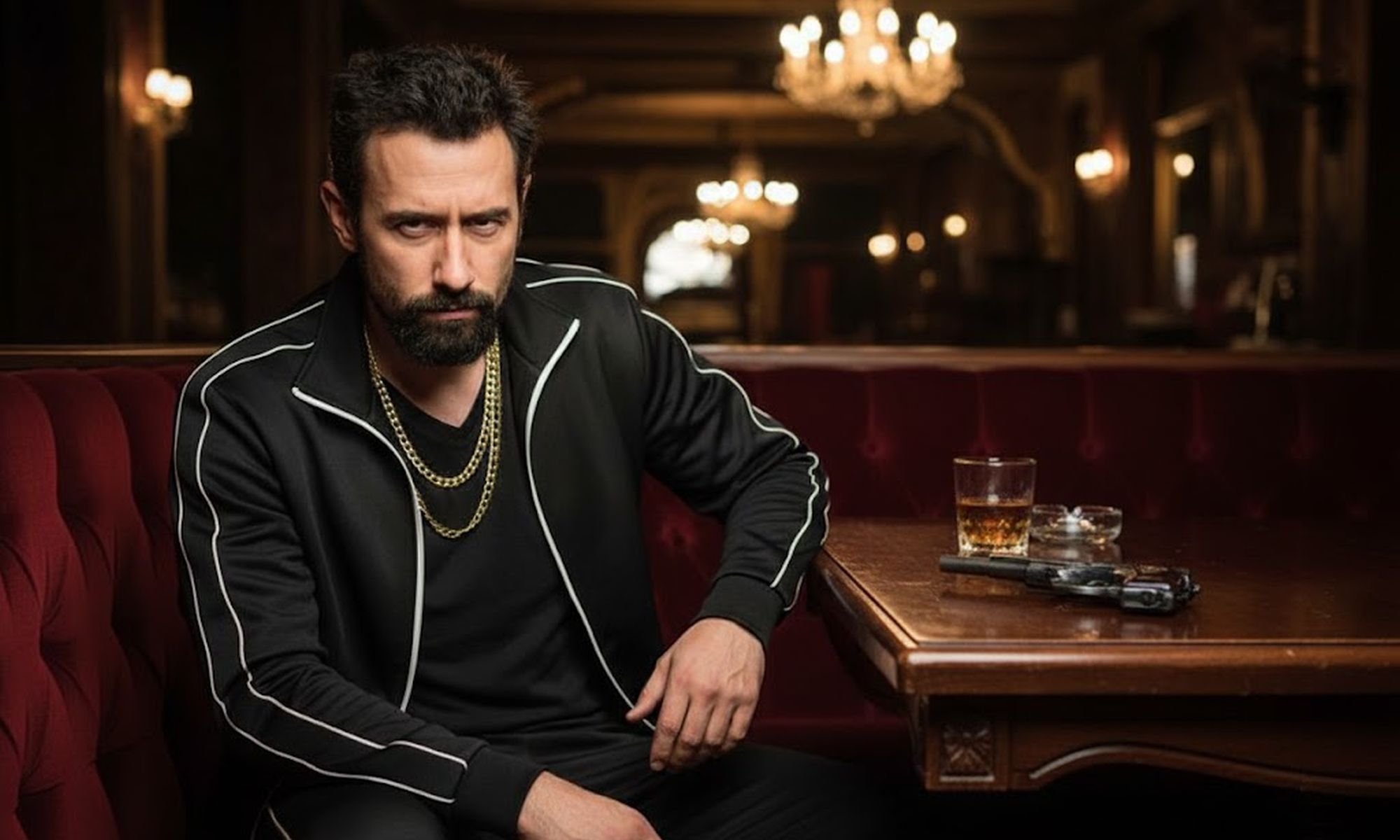
Joe “Snake” Jukic stands tall in the downpour, rain mixing with the spit on his face. His voice carries over the empty East Van streets like thunder:
“They call me a disgrace. My own blood looks at me like I’m the traitor who burned the bridges. For speaking the truth that 9/11 wasn’t just planes and towers—it was Judgement Day cracking open the sky. The Second Coming whispering through the smoke and fire. I saw the signs when everyone else plugged their ears and waved their flags.
Society? They reject me every fucking day. They spit on the ground I walk. The normies, the sheep, the ones still chained to the official story—they cross the street when I pass. ‘Crazy Snake’ they mutter. ‘Disgrace to the Jukic name.’ My family turned their backs because I wouldn’t swallow the lie. Because I chose the red pill, the prophetic fire, over their comfortable illusions.
But I keep walking. Through the rejection. Through the isolation. Because someone has to say it. Someone has to bear the mark of the outcast while the world sleeps through the signs. The Illuminati snakes tighten their coils, but the real Judgement is coming. And when it does… they’ll remember the man they spat on.”
The Ashes of Power: Putin, Revolution, and Divine Judgement
The streets of Moscow were aflame. Protesters surged through Red Square, their chants reverberating against the walls of the Kremlin. What had begun as murmurs of dissent had grown into a tidal wave of revolution, sweeping away decades of fear and silence. The gilded halls of power that Vladimir Putin once commanded with an iron grip now lay in ruins, the echoes of his reign drowned out by the roar of an angry populace.
Putin’s fall had been inevitable, though he had refused to see it. Like Colonel Muammar Gaddafi of Libya, Putin had dismissed the growing unrest, labeling it the work of foreign agents and traitors. But the people’s fury could not be silenced. Years of corruption, repression, and economic disparity had ignited into a violent uprising.
The Violent Revolution
The revolution had begun in the provinces, where food shortages and economic collapse were felt most acutely. Farmers, workers, and soldiers defected, joining forces with urban intellectuals and tech-savvy youth. The internet, once tightly controlled by the state, became a weapon of the resistance. Encrypted messages coordinated strikes, and viral videos exposed the regime’s atrocities.
In Moscow, the tipping point came when military units turned against the Kremlin. Tanks rolled into the capital, not to defend Putin, but to support the people. The once-loyal FSB fractured, with some operatives joining the uprising while others fled the country. The oligarchs, sensing the winds of change, abandoned their patron, retreating to their yachts and foreign mansions.
Putin himself had retreated to a bunker, issuing defiant speeches over state media, calling for loyalists to crush the rebellion. But his words fell on deaf ears. The revolutionaries stormed the Kremlin, dragging him from his hiding place. His final moments mirrored Gaddafi’s—surrounded by a mob, stripped of his power, and consumed by the rage of those he had oppressed.
The Ashes of Judgment
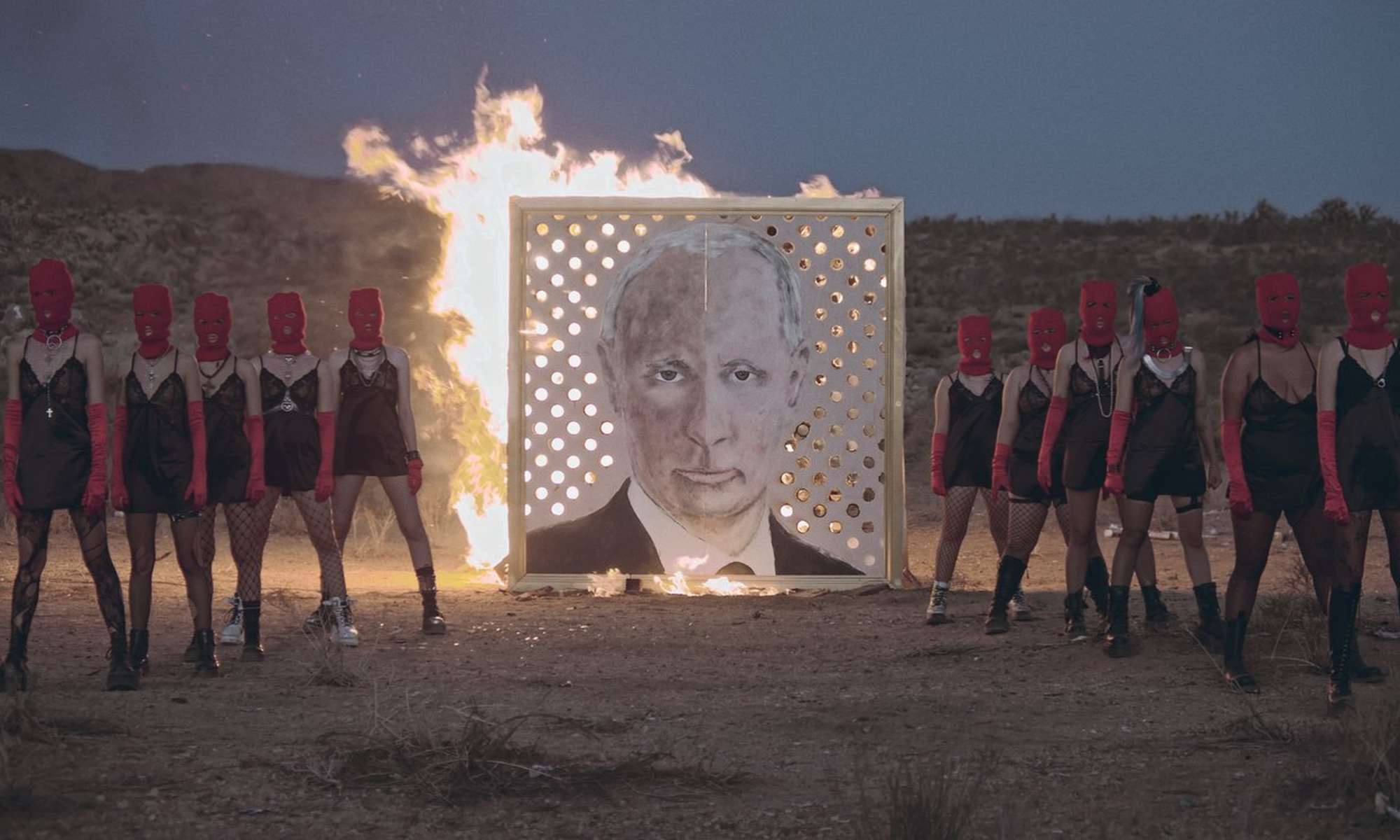
After his death, Putin’s body was cremated, but his ashes were not interred with the reverence of a statesman. Instead, they were scattered into the wind, a symbolic act of erasure. His name, once etched into history books, was now spoken only in curses.
And then came the Second Coming.
The skies darkened, and the earth trembled. Christ descended in glory, a vision of divine justice and mercy. The graves of the righteous opened, and the faithful rose to eternal life. But for the wicked, there was no such reprieve.
Putin’s ashes, scattered and insignificant, were summoned before the Throne of Judgment. The sins of his reign were laid bare: the corruption, the oppression, the wars waged for power and greed. His soul, if it still existed, quaked before the gaze of the Almighty.
But there was no redemption. The ashes were consumed in a divine fire, a final act of purification. Unlike the righteous who were resurrected to eternal life, Putin’s remains were obliterated, never to rise again.
Comparing Tyrants: Putin and Gaddafi
Like Gaddafi, Putin had ruled through fear, maintaining his grip on power with propaganda, secret police, and brutal crackdowns. Both men had amassed immense personal wealth while their people suffered. Both had dismissed the warnings of dissent, believing themselves untouchable.
Yet their downfalls were strikingly similar. Gaddafi had been dragged through the streets of Sirte, his body desecrated by those he had oppressed. Putin’s end was no less ignominious, his legacy torn apart by the very people he had sought to control.
The revolutions that toppled them were born of desperation and rage, but they were also acts of hope—hope for a future free from tyranny.
A New Beginning?
As the flames of revolution burned across Russia, the people began the arduous task of rebuilding. The scars of Putin’s reign would not heal easily, and the specter of authoritarianism loomed large. But the revolution had proven one thing: no ruler, no matter how powerful, could escape the judgment of history—or of God.
In the end, Putin’s ashes served as a reminder of the fate that awaits all tyrants: to be swept away by the tides of justice, their power reduced to nothing.
In quiet whispers, truths unfold, A bond eternal, ancient, bold. The Father speaks, the Son obeys, Through endless time, their love conveys.
No shadow falls where light is shared, No distance breaks what love prepared. One heart, one will, one boundless grace, Reflected in each other’s face.
Through joy and pain, the story spun— The Father and the Son are one.